


The first trip with a baby feels very different from any trip before. Instead of thinking about luggage or destinations, parents worry about safety. Many stay awake the night before asking themselves: What if my baby cries the whole way? What if they get sick? What if I make a mistake that harms them? Even a short drive can feel stressful because your child depends on you for everything.
I have seen many families delay travel for months because online advice sounds confusing or scary. Some articles make travel seem dangerous, while others make it sound effortless. The truth is in the middle. Healthy babies and toddlers can travel safely when parents focus on the right priorities. This guide will help you understand what truly protects your child so you can travel with confidence instead of fear.
Quick Travel Safety Takeaway
- Use a properly installed car seat every ride
- Move baby to a flat surface for sleep whenever possible
- Wash hands before feeding and use safe water
- Protect from heat, cold, and overcrowded environments
If you protect these four areas, most travel risks are prevented.
The 4 Core Travel Safety Rules
You do not need perfect planning.
You only need to protect four areas:
- Proper restraint
- Safe sleep
- Clean feeding
- Temperature protection
Parents who focus on these rarely face serious problems during trips.
Car Travel Safety With Babies & Toddlers
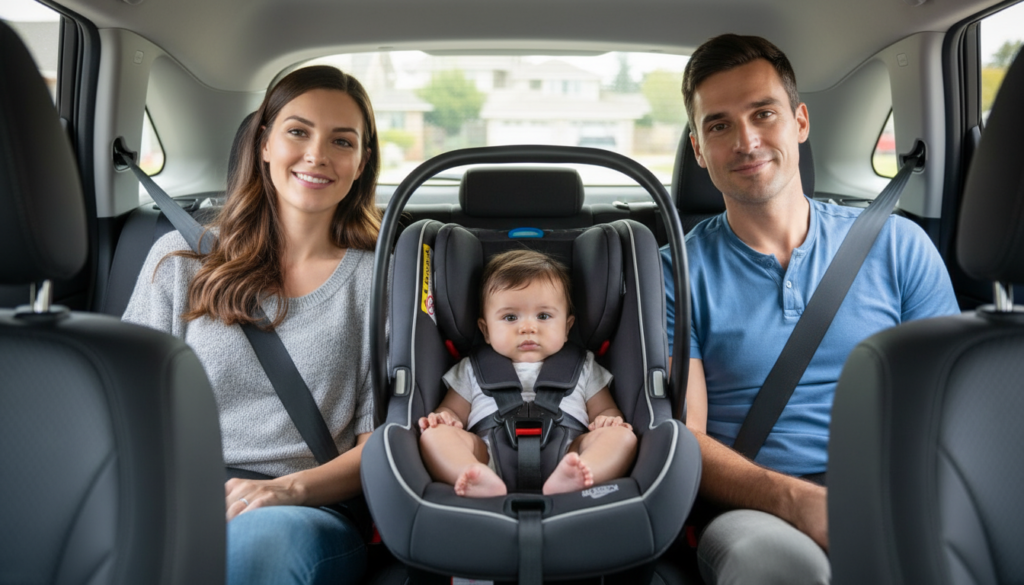
Car rides worry parents the most — and for good reason. They are the highest injury risk during family travel.
Car seat rules
- Keep rear-facing as long as possible
- Harness at armpit level
- No thick jackets under straps
- Seat should not move more than 1 inch
How long can a baby stay in a car seat?
Young infants should not stay longer than 2 hours at a time.
After that, take a break, remove baby from the seat, and stretch.
| Child Age | Max Continuous Car Seat Time | Recommended Break |
|---|---|---|
| Newborn | 1.5–2 hours | Feed & stretch |
| 3–12 months | 2 hours | Remove from seat |
| Toddler | 2–3 hours | Walk & hydrate |
Important: move a sleeping baby to a flat surface after arrival.
Flying With a Baby Safely
Air travel is medically very safe for healthy babies.
Ears during takeoff
Offer breastfeeding, bottle, or pacifier to reduce pressure.
Lap infant vs own seat
A separate seat with car seat is safest, but lap infants are commonly allowed.
Airport movement safety
Toddlers can run suddenly in busy areas. Use stroller or hold hands.
Safe Sleep While Traveling
Baby should sleep:
- On back
- On flat firm mattress
- Without pillows or blankets
Avoid long sleep in car seats, strollers, couches, or adult beds.
Hotel & Airbnb Safety Checklist
Children explore before they understand danger. Always check your room.
Hotel Room Child Safety Checklist
- ☐ Check balcony and window gaps
- ☐ Move blind cords out of reach
- ☐ Cover or block sharp edges
- ☐ Lock cleaning supplies & minibar
- ☐ Inspect crib mattress and gaps
- ☐ Block access to bathroom
- ☐ Locate nearest exit
Feeding & Health Safety
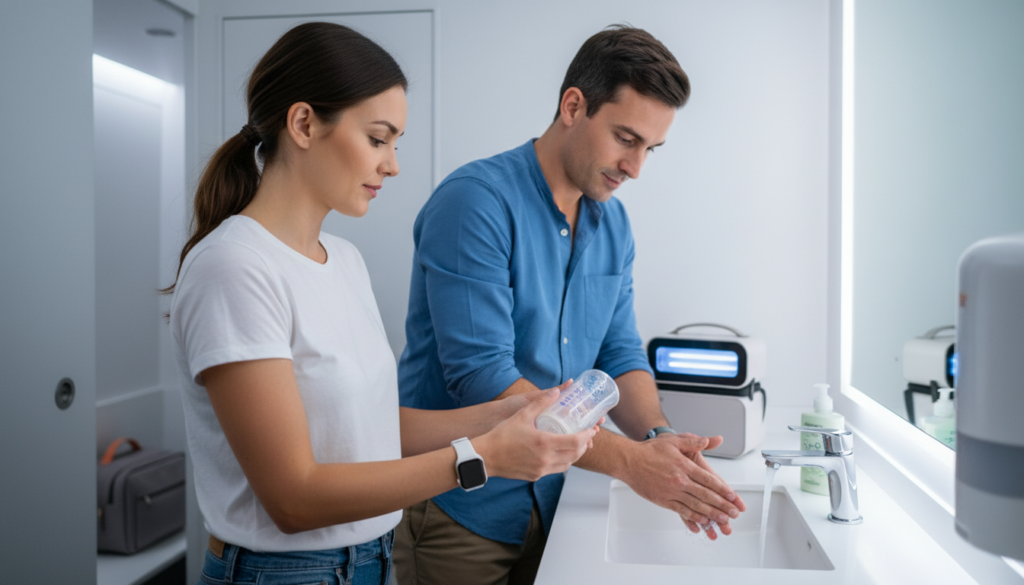
- Use safe water for formula
- Wash hands before feeding
- Avoid food left sitting out
Delay travel if baby has fever under 3 months, breathing trouble, or dehydration.
Weather Protection
Babies cannot regulate temperature well.
Heat: light clothing and fluids
Cold: use layers and remove coats in car seats
Travel Safety by Age
| Age | Biggest Risk | Parent Priority |
|---|---|---|
| 0–3 Months | Breathing & immunity | Clean hands & short outings |
| 4–12 Months | Crawling & mouthing objects | Clean surfaces & safe feeding |
| 1–2 Years | Running & falling | Close supervision |
| 2–3 Years | Climbing & wandering | Boundaries & teaching safety |
Real-Life Safety Questions Parents Ask
| Situation | Safe? | What To Do |
|---|---|---|
| Baby sleeping long in stroller | No | Move to flat surface |
| Skipping nap during travel | Usually yes | Expect overtired behavior |
| Crawling on airport floor | Low risk | Clean hands after |
| Drinking airplane tap water | Avoid | Use bottled water |
| Sleeping in car seat after arrival | No | Transfer to bed |
Safety Packing Essentials
- Thermometer
- Fever medicine
- Hand sanitizer
- Child ID card
- Extra clothes
- Outlet covers
- First aid items
Keep This Emergency Info With You
- Child full name & birthdate
- Parent phone numbers
- Pediatrician contact
- Allergies list
- Medications
- Insurance details
Conclusion
From experience helping families prepare for trips, the biggest change happens after the first journey. Parents realize children adapt faster than expected, and most worries never actually happen. Safety comes from a few consistent habits — proper restraint, safe sleep, hygiene, and close supervision. When these are followed, travel becomes less stressful and more meaningful. You do not need to wait years to explore together. With preparation and calm decisions, family travel can be safe while still creating happy memories for both parents and children.
