


Planning beach travel with babies and toddlers often sounds relaxing until parents begin preparing for the trip. Many families quickly realize how stressful it can feel to pack correctly, protect children from strong sun, and manage naps and feeding schedules on the beach. Parents commonly worry about sunburn, dehydration, water safety, and keeping toddlers from wandering too far. The fear of forgetting important items or dealing with tired and overwhelmed children can make beach travel feel more difficult than enjoyable.
From real family travel experience, most parents learn that successful beach trips depend on preparation rather than bringing extra gear. Early beach visits often include small mistakes like missing shade, packing unnecessary items, or struggling with routines. Over time, families discover that simple planning, safety awareness, and organized packing make beach travel easier and more enjoyable. This guide combines real parenting experience with trusted safety advice to help families confidently plan beach travel with babies and toddlers.
Why Beach Travel Feels Overwhelming for Parents
Most parents searching for beach travel tips are not only looking for a packing list. They want confidence that their child will stay safe and comfortable. Young children cannot explain discomfort clearly. This creates anxiety for parents.
Common parent concerns include:
- Fear of sunburn or heat illness
- Fear of drowning or strong waves
- Fear of forgetting important supplies
- Nap and feeding schedule problems
- Stress carrying gear on soft sand
Preparing for Beach Travel With Babies and Toddlers
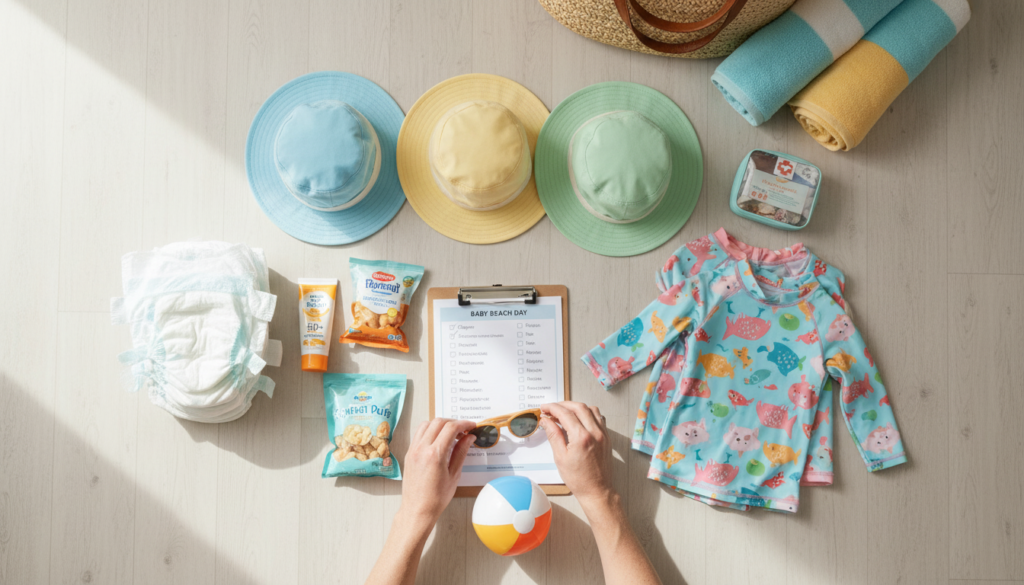
Preparation is the most important step for safe beach travel. Babies and toddlers cannot regulate temperature well and can become dehydrated quickly.
Choose the Best Time to Visit the Beach
Early morning and late afternoon visits are safest for young children. Sun exposure and heat are lower during these times. Try to avoid strong sun between 10 AM and 4 PM.
Check Beach Conditions Before Leaving
Before traveling, always check:
- Weather forecast
- Heat index
- Tide levels
- Water quality advisories
- Lifeguard availability
Beach Packing Essentials for Babies and Toddlers
Packing smart helps families stay calm and organized. These beach travel essentials work for most families.
Essentials for Everyone
- Swimsuits (bring extras)
- Wide brim sun hats
- UV protection sunglasses
- Mineral sunscreen SPF 30 or higher
- Large beach blanket
- Beach umbrella or shade tent
- Cooler with water and snacks
- Towels
- Waterproof dry bags
- Extra clothing
- Large beach tote or backpack
Baby and Toddler Beach Clothing Essentials
Proper clothing protects children from sunburn and sand irritation.
- Rash guards or UV swim shirts
- Lightweight breathable clothing
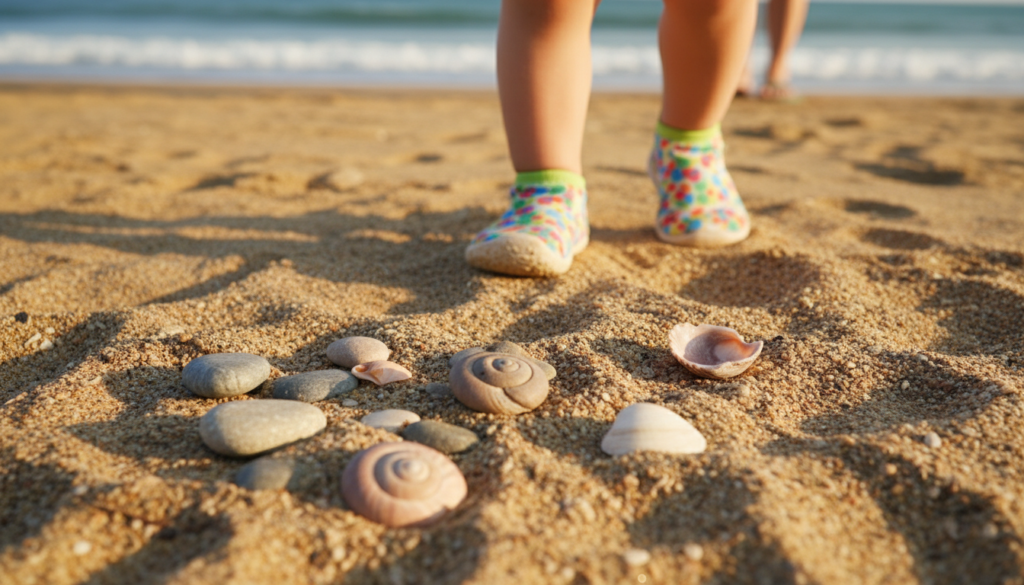
- Water shoes to prevent hot sand burns and shell cuts
- Extra dry outfits
Age-Specific Beach Packing Guide
0–6 Months Beach Essentials
Babies under six months need extra protection because their skin burns quickly.
- Full shade tent or umbrella
- Lightweight long sleeve clothing
- Wide brim sun hat
- Portable stroller fan
- Feeding supplies
- Muslin blankets
- Portable changing pad
Babies under six months should stay mostly in shade. Small amounts of mineral sunscreen can be used on exposed skin if clothing and shade are not enough.
6–15 Months Beach Essentials
At this stage, babies begin crawling and exploring more.
- Swim diapers
- Baby wipes and disposable bags
- Portable play mat
- Snacks and bottles
- Baby carrier for walking across sand
Avoid inflatable baby floats in open water. Always use hands-on supervision and a properly fitted Coast Guard-approved life jacket when needed.
Toddler Beach Essentials
Toddlers move quickly and have strong curiosity.
- Approved life jacket
- Sand toys and buckets
- Easy snacks and drinks
- Comfortable sandals
- Extra swimwear
- Portable potty or training supplies
Sun Protection Tips for Babies and Toddlers
Sun protection is the most important beach safety rule.
- Use shade as the first protection method
- Apply mineral sunscreen to exposed skin
- Reapply sunscreen every two hours
- Dress children in UV protective clothing
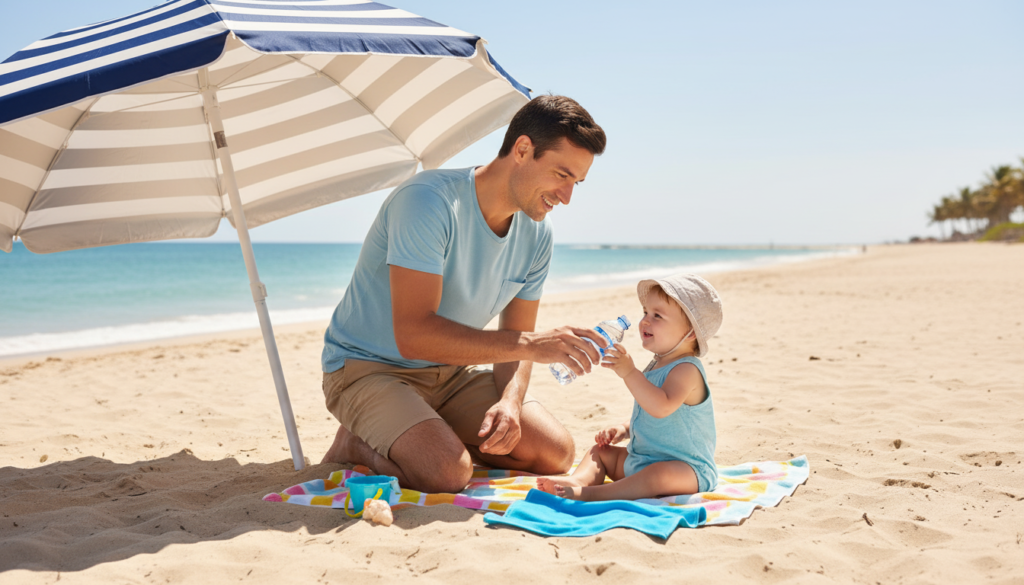
- Offer water frequently
If children develop redness, tiredness, or irritability, move them into shade immediately.
Water Safety Tips for Beach Travel With Babies and Toddlers
Water safety is a top fear for parents, and it deserves clear rules.
Always Choose Lifeguard-Protected Beaches
Stay close to lifeguard stations whenever possible.
Understanding Rip Currents
Rip currents are strong water flows that pull swimmers away from shore.
If caught in a rip current:
- Stay calm
- Do not swim directly toward shore
- Swim parallel to the shoreline
- Signal for help
Keep toddlers within arm’s reach near water.
Use Proper Life Jackets
Floaties and water wings can create false confidence. Use Coast Guard-approved life jackets for toddlers and weak swimmers near waves.
Heat and Hydration Safety for Kids
Children overheat faster than adults.
Signs of Heat Exhaustion
- Flushed or hot skin
- Heavy sweating
- Vomiting
- Tiredness
- Rapid breathing
- Headache in older toddlers
Heat Prevention Tips
- Offer water regularly
- Schedule shade breaks every hour
- Use cooling towels or stroller fans
- Dress children in lightweight clothing
Weather and Storm Safety at the Beach
Weather can change fast near oceans.
If you hear thunder or see lightning, leave the beach immediately. Wait at least 30 minutes after the last thunder sound before returning.
Sand and Beach Environment Safety
Sand hazards are often overlooked.
- Hot sand can burn small feet
- Deep sand holes may collapse
- Shells and hidden glass can cause cuts
Water shoes help toddlers stay safe while exploring.
Water Quality Safety for Young Children
If a beach posts a bacteria warning, avoid swimming and wet sand play. Babies and toddlers are more sensitive to infections.
Diapering and Hygiene Tips at the Beach
Sand and saltwater can cause diaper rash and irritation.
- Swim diapers
- Regular diapers for dry time
- Disposable changing pads
- Wipes and sanitizer
- Wet bags or plastic trash bags
- Rinse water bottle
Change wet or sandy diapers quickly.
Baby and Toddler Nap Tips at the Beach
Nap disruption is a big reason beach days fall apart.
- Use shaded tents
- Keep normal nap routines
- Bring familiar comfort items
- Use portable fans for airflow
- Leave early if naps fail
What To Do in the First 15 Minutes at the Beach With Kids
This quick setup reduces stress and improves safety.
How to Set Up a Safe Beach Spot
Choose beach areas that are:
- Close to lifeguard stations
- Away from strong waves or steep shorelines
- Near restrooms
- Not overcrowded
Use towels or bags to create toddler play boundaries.
Lost Child Safety Plan
Crowded beaches increase wandering risks.
- Dress children in bright colors
- Take a photo of your child upon arrival
- Teach toddlers parent names and phone number
- Choose a meeting location
- Show children where lifeguards sit
Optional But Helpful Beach Travel Items
- Portable beach wagon
- Baby powder for removing sand
- Insulated water bottles
- Mesh toy bags
- Portable rinse bottle or shower
Things Parents Often Overpack
- Large bulky toys
- Too many clothing changes
- Heavy strollers on soft sand
Packing lighter reduces parent fatigue and improves safety.
Things Parents Often Forget
- Extra sunscreen
- Trash bags
- Hand sanitizer
- Drinking water
- Snacks
Complete Beach Travel Checklist for Babies and Toddlers
Frequently Asked Questions
Yes. Beach travel with babies and toddlers can be safe when parents plan ahead and prioritize shade, hydration, and supervision.
Yes. Life jackets improve water safety for toddlers playing near waves.
Yes, but avoid polluted water and rinse saltwater from baby skin after swimming.
Most babies tolerate one to two hours. Slowly increase visit length based on your child’s comfort.
Final Thoughts
Beach travel with babies and toddlers can feel overwhelming at first, but families who focus on preparation, safety, and flexible routines usually find that each trip becomes easier than the last. Parents gain confidence by learning how their child responds to sun exposure, naps, and beach activities. Based on both research-backed safety practices and real parenting experience, families who prioritize shade, hydration, supervision, and smart packing create safer and more enjoyable beach outings. Beach trips are not about perfect schedules or flawless packing lists. They are about building happy family memories while protecting your child’s comfort and safety, and with the right preparation, beach travel can become one of the most rewarding experiences for parents and children alike.
