


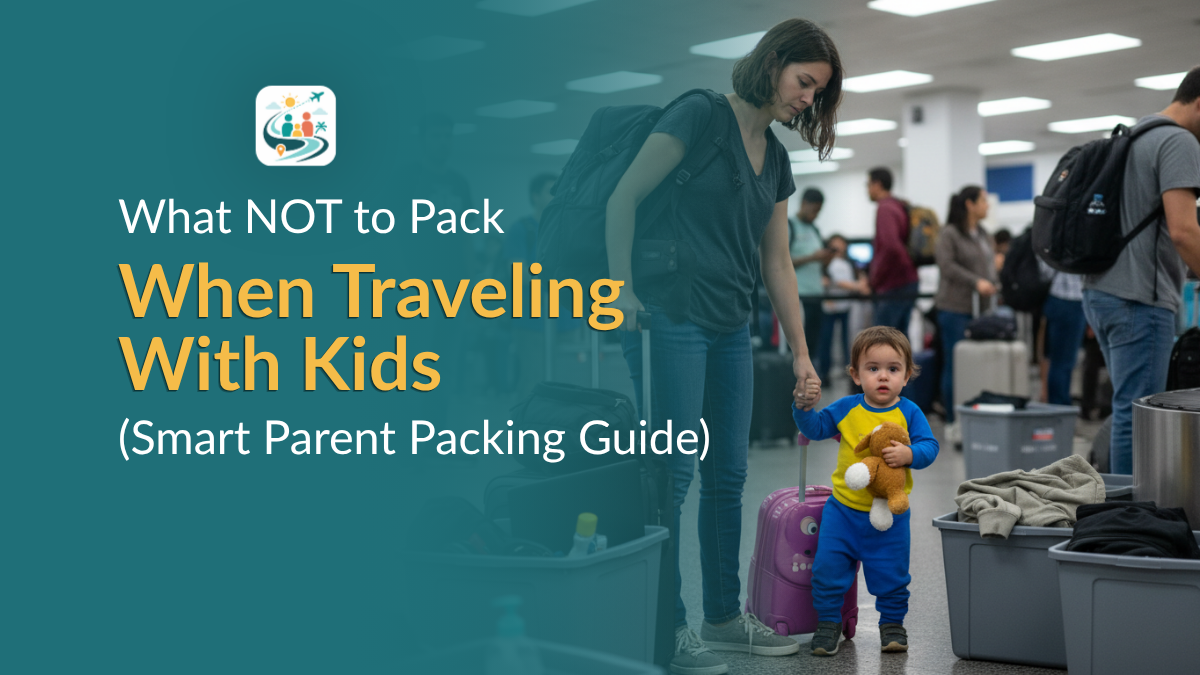
Packing for a trip with kids can quickly become stressful. Many parents worry about forgetting something important. You might wonder what happens if your toddler has a meltdown, runs out of snacks, or needs extra clothes during travel. These fears often lead parents to overpack. Before the trip even begins, you may find yourself carrying heavy bags, managing restless children, and feeling overwhelmed at the airport. Instead of looking forward to family travel, the packing process can make parents feel anxious and exhausted.
I have experienced this problem myself. During my first flight with my child, I packed extra toys, multiple outfits, backup medicines, and supplies for every possible situation. By the time we reached airport security, I was tired and frustrated. My child sensed my stress and became uncomfortable. After several family trips and learning from my mistakes, I realized that packing less actually makes travel easier for both parents and kids. In this guide, I will share what NOT to pack when traveling with kids so you can travel with more confidence and less stress.
Why Parents Overpack When Traveling With Kids
Parents often overpack because they want to feel prepared and responsible. Kids can be unpredictable, and that can make travel feel risky. This is even more true for first-time parent travelers.
Common reasons parents overpack include:
- Fear of toddler meltdowns
- Anxiety about finding baby supplies in new places
- Pressure to be a “perfect prepared parent”
- Past travel mistakes
- Lack of experience traveling with children
Overpacking feels safe, but it often backfires. Heavy luggage makes airports harder. It also makes it harder to supervise kids.
The Ultimate List: What NOT to Pack When Traveling With Kids

This section covers the most common items parents regret bringing. If you skip these, your bags get lighter fast.
Too Many Clothes
Kids rarely need multiple outfit changes every day. Most hotels offer laundry services. Many destinations also have clothing stores.
A smarter choice:
- Pack mix-and-match outfits
- Bring one emergency backup outfit
- Choose lightweight, quick-dry clothing
Too Many Shoes
Shoes take up a lot of space. Most kids wear the same pair most of the time.
A better option:
- Pack one comfortable walking shoe
- Pack one backup pair if needed
Bulky Toys
Large toys are heavy and annoying to carry. Kids also lose interest quickly.
Consider packing:
- Small travel toys
- Sticker books or activity pads
- Downloaded shows or games
Full Medicine Cabinets
Packing every medicine you own adds weight. It also creates clutter.
Pack only:
- Fever medicine
- Basic first aid supplies
- Motion sickness medicine if needed
In the USA, most destinations have pharmacies and stores where you can buy what you need.
Too Many Snacks
Snacks are helpful, but too many snacks make your bag messy and heavy.
A better approach:
- Pack small snack portions
- Buy fresh snacks during travel
Large Toiletry Bottles
Full-size bottles add weight and can leak in transit.
A smarter choice:
- Use travel-size containers
- Buy toiletries at your destination
Too Many Diapers or Wipes
Parents often pack diapers for the whole trip. That takes a lot of space.
A safer strategy:
- Pack enough for travel plus one extra day
- Buy more at your destination
Heavy Baby Gear
Large strollers and bulky carriers can slow you down.
Better options:
- Lightweight travel stroller
- Compact baby carrier
- Renting baby gear at your destination
What NOT to Pack in Your Child’s Carry-On Bag
Kids’ carry-ons should stay light and simple. This helps children move easily and reduces lost items.
Important Documents
Do not put passports, boarding passes, or ID in your child’s bag. Kids can lose bags fast.
Keep documents in the parent’s carry-on.
Messy or Smelly Foods
Strong smells can bother other passengers. Sticky foods can create a mess.
Choose dry, easy-to-clean snacks instead.
Drink Bottles With Straws
Airplane pressure changes can cause straw bottles to leak.
Choose a spill-proof cup without a straw.
Playdough, Slime, or Messy Craft Items
These can stain seats and create stress.
Safer alternatives:
- Sticker books
- Magnetic games
- Coloring books
Toys With Small Parts
Small pieces get lost on planes. That often leads to tears.
Choose simple toys or one comfort item.
Low-Quality Headphones
Cheap headphones break easily and frustrate kids.
Choose durable, kid-friendly travel headphones.
Large Carry-On Bags for Kids
Big bags tire kids out and slow everyone down.
Choose a small, lightweight backpack.
Packing Mistakes Based on Child Age

Babies (0–12 Months)
Avoid packing:
- Large toy collections
- Full feeding equipment sets
- Too many blankets
Babies mainly need feeding supplies, diapers, and comfort items.
Toddlers (1–3 Years)
Avoid packing:
- Too many entertainment items
- Bulky pillows or thick blankets
Toddlers usually do best with simple toys and snacks.
Older Kids
Avoid packing:
- Multiple electronics
- Heavy books
Older kids can carry a small backpack with a few items.
TSA and Airline Rules Parents Must Know

If you fly, rules matter. Following them helps you move faster through security.
- Liquids must follow TSA size rules (3.4 oz limit for general liquids).
- TSA allows baby formula, breast milk, and baby food, but you should declare them at screening.
- Many U.S. airlines allow free stroller gate-checking.
- Car seats used on planes should have an aircraft-approval label.
The Smart Parent Packing Filter
Before you pack any item, ask:
- Can I easily buy this at my destination?
- Will my child use this daily?
- Is this item important for safety?
If the answer is “no,” you likely do not need it.

Real Consequences of Overpacking
Overpacking creates real problems for families, especially in airports.
Common issues include:
- Extra baggage fees
- Slower movement through airports
- More physical fatigue
- Higher risk of lost luggage
- Less free hands for supervising kids
Smart Alternatives to Overpacking
Instead of packing “everything,” swap heavy items for light solutions.
Minimalist Packing Strategy for Families
Minimalist packing does not mean you pack “too little.” It means you pack with a plan. This helps you stay calm, move faster, and handle surprises better.
Try these strategies:
- Use capsule wardrobes for kids
- Rotate toys instead of packing many
- Buy supplies locally
- Choose multi-purpose travel gear
- Pack lightweight and compact items
Printable Packing Mistakes Checklist
Use this as a final scan before you zip the suitcase.
Frequently Asked Questions
Most children need one outfit per day plus one backup outfit.
No. Many baby supplies are available at pharmacies and grocery stores.
Yes. TSA allows baby liquids, but you should declare them during screening.
No. A few favorite toys or small activities are usually enough.
Yes. Most developed destinations offer reliable baby products.
Yes, but their bag should be light and age-appropriate.
Final Thoughts: Travel Lighter and Enjoy More
After years of traveling with children, I have learned that smart packing is one of the most important parts of successful family travel. When I used to overpack, every trip felt harder. Managing heavy luggage slowed us down and increased stress during airport security, boarding, and transportation. Once I started packing only essentials, traveling became smoother and more enjoyable. I had more energy to focus on my child, and our family trips became calmer and more organized.
Packing lighter does not mean ignoring your child’s needs. It means choosing items carefully and trusting that most travel destinations provide access to supplies if needed. Through personal experience and repeated travel planning, I have learned that confident parents create calmer travel experiences for their children. When you remove unnecessary items, you reduce stress, save time, and create more space to enjoy family memories. Traveling with kids becomes easier when you focus on essentials and trust your preparation.
