


Flying with a 2-month-old baby is not just about the flight itself. It is the worry that starts days before you leave. You wonder if your baby is too young, how they will handle the noise, and what will happen if they cry nonstop. You worry about germs at the airport, feeding during takeoff, and getting through TSA while holding a tiny baby and too many bags. If this is your first time flying with a newborn, the stress can feel heavy and constant.
Many parents stand at the airport gate feeling exactly this way. I have seen how overwhelming that moment can be, especially when everything feels unfamiliar. The truth is, for most healthy, full-term babies, flying at two months is usually safe. What parents really need is clear guidance and reassurance. This guide is written to help you understand what to expect, prepare with confidence, and feel calmer before and during your trip.
Key Takeaways for Flying With a 2-Month-Old Baby
- Flying is usually safe for healthy, full-term babies.
- The biggest concern is germ exposure, not air pressure.
- Feeding during takeoff and landing can help ear comfort.
- TSA allows breast milk, formula, and baby food.
- Preparation reduces stress more than anything else.
Is It Actually Safe to Fly With a 2-Month-Old?
Yes, in most cases, it is safe.
Most pediatricians agree that healthy, full-term babies can fly after the first few weeks of life. Airplane cabin pressure is safe for infants. The biggest concern is exposure to germs in busy airports and airplanes.
If your baby was born early, has breathing problems, or has a fever, talk to your pediatrician before flying.
Why Your Baby’s Age Matters
At two months old, babies are still developing their immune systems. They feed often and sleep in short stretches.
This age also has advantages. Younger babies sleep more than older infants and are easier to soothe. However, they rely on you for everything, which makes preparation important.
Getting the All-Clear From Your Pediatrician
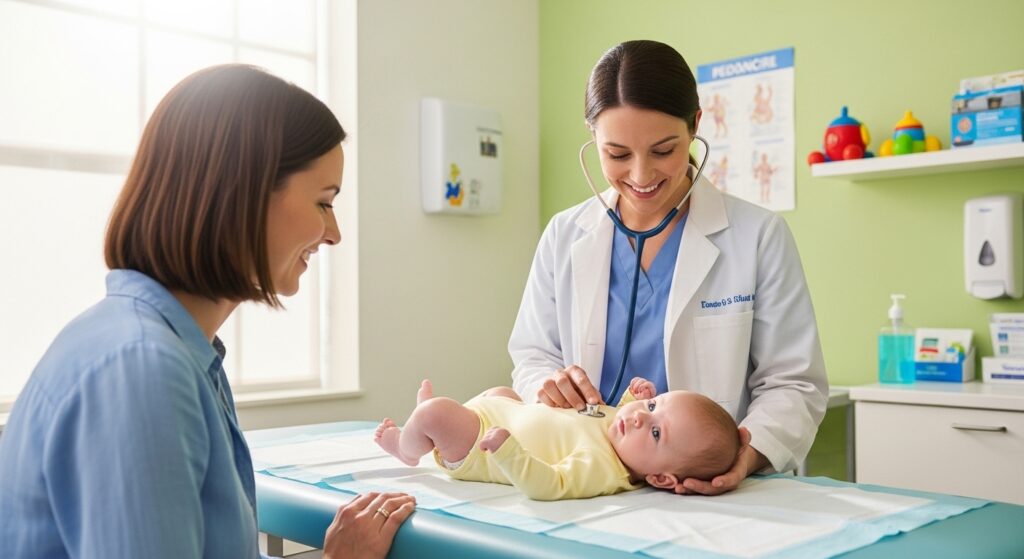
Before booking your flight, speak with your pediatrician.
Ask if your baby is healthy enough to travel. Mention the flight length and destination. Discuss reflux, congestion, or feeding issues.
Many parents also wait until after the 2-month well-baby visit, when early vaccines are often given. Your pediatrician can help you decide what is best.
Should You Fly With a 2-Month-Old? Quick Decision Guide
| Situation | Is Flying OK? | What to Do |
|---|---|---|
| Healthy, full-term baby | Yes | Prepare well and travel confidently. |
| Premature baby | Maybe | Get pediatrician approval. |
| Baby is sick or has fever | No | Delay travel if possible. |
Choose Your Destination Wisely
Travel is easier when the destination supports your baby’s needs. Choose places with medical access, quiet sleep spaces, and family help if possible.
Avoid Traveling on Holidays
Holiday travel is crowded and stressful. It increases germ exposure and delays. Weekday and early-morning flights are calmer.
Booking Flights and Seats for a Peaceful Trip
Direct flights are best. Layovers add stress. Match flights to your baby’s sleep schedule whenever possible.
Lap Infant vs. Buying a Separate Seat
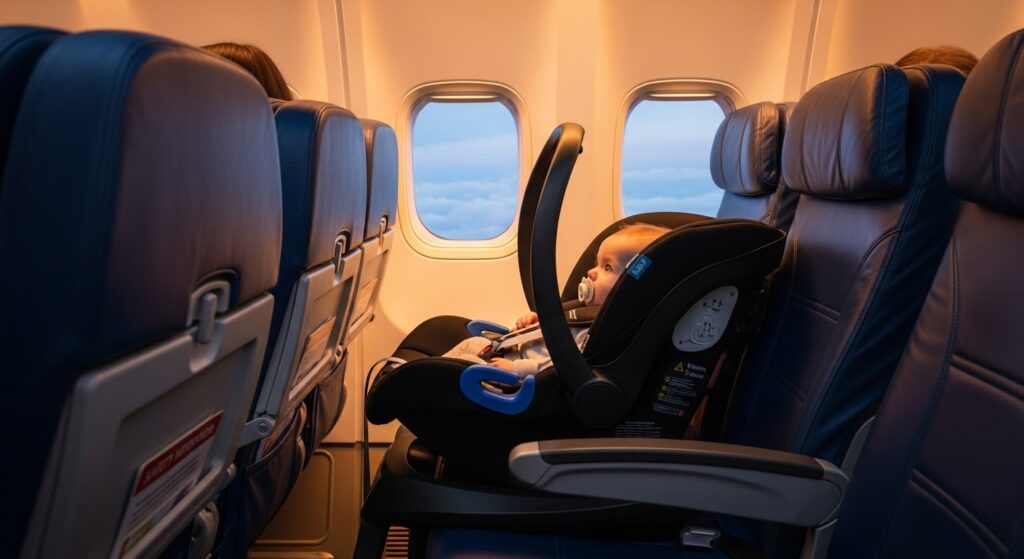
Most airlines allow babies under two to fly as lap infants. This saves money but can be tiring.
Buying a separate seat lets you use an FAA-approved car seat. This is the safest option during turbulence.
Seat Options Comparison
| Option | Pros | Cons |
|---|---|---|
| Lap Infant | Lower cost | Less comfort |
| Separate Seat + Car Seat | Safest | Higher cost |
Comfort Items, First-Aid, and Navigating TSA
Breast milk, formula, and baby food are allowed through TSA. They are exempt from liquid limits. Ice packs are also allowed.
TSA Rules for Baby Liquids
| Item | Allowed | Notes |
|---|---|---|
| Breast milk | Yes | Declare at screening |
| Formula | Yes | More than 3.4 oz allowed |
| Ice packs | Yes | For baby food only |
Conclusion
Flying with a 2-month-old baby can feel like one of the biggest challenges of early parenthood. The fear is real, and it is completely normal to question every decision before the trip. From experience, the hardest part is usually the uncertainty before the flight, not the flight itself.
As long as your baby is healthy and your pediatrician has no concerns, flying at this age is usually safe. What matters most is staying flexible and focusing on your baby’s needs instead of outside opinions. Babies cry, plans change, and delays happen. None of this means you are failing. You are doing your best, and with preparation, you can handle this journey with confidence.
Frequently Asked Questions
Yes, most healthy, full-term babies can.
Some airlines may request a birth certificate.
Travel off-peak, wash hands often, and limit contact.
