


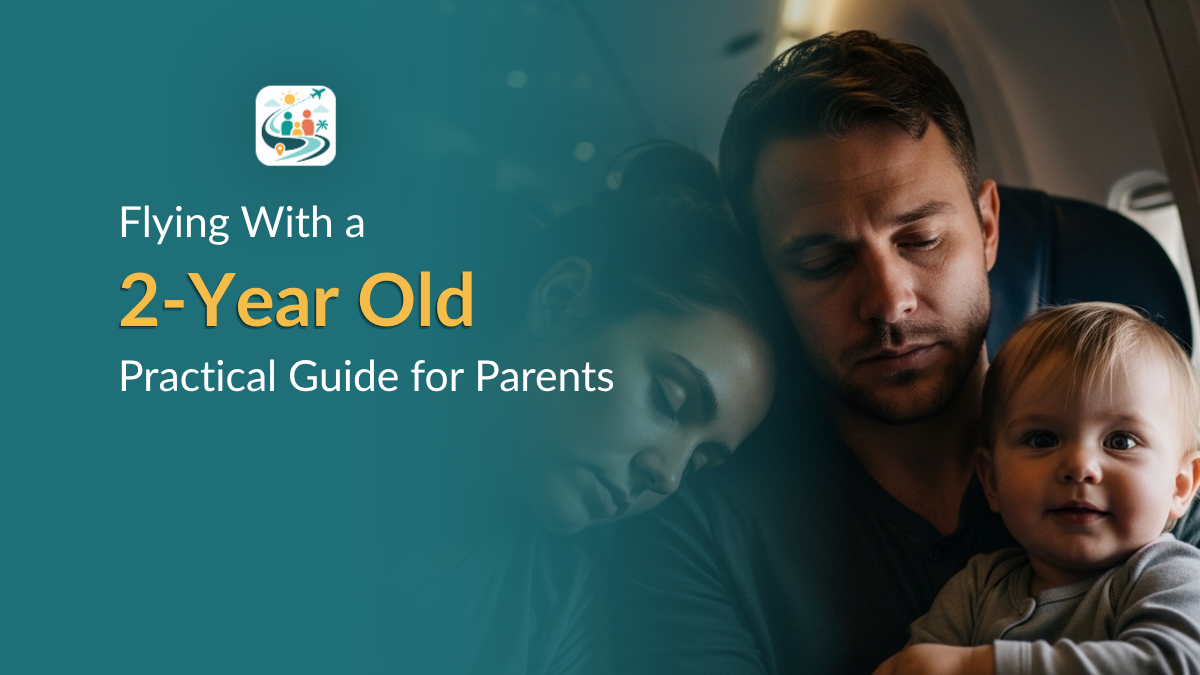
Booking a red-eye flight with a toddler can feel overwhelming. Many parents imagine a long night with little sleep, a restless child, and the fear of disturbing other passengers. Questions start to pile up fast. What if my toddler refuses to sleep? What if they cry the whole flight? What if I arrive completely exhausted and regret the decision? These worries are normal and shared by almost every parent facing an overnight flight with a young child.
Parents who have traveled with toddlers know that red-eye flights are rarely perfect. Real-world family travel shows that success does not mean a full night of sleep. It means having a plan, understanding your child’s limits, and knowing how to stay calm when things do not go as expected. With the right preparation and realistic expectations, a red-eye flight with a toddler can be managed even if it is challenging.
Should You Take a Red-Eye Flight With Kids?

This is the first and most important question.
There is no perfect answer.
A red-eye flight may work if:
- Your toddler usually sleeps well at night
- You can handle being tired the next day
- You have a slow or flexible day after landing
A red-eye flight may be a bad idea if:
- Your toddler struggles with sleep
- You are traveling alone
- You must be alert right after landing
Many parents choose red-eye flights to save money or daytime hours.
That does not make you a bad parent.
It just means you need a strong plan.
Tips to Improve Your Chances of Success on a Red-Eye Flight With Kids
Red-eye flights are about preparation.
You cannot control everything, but you can reduce stress.
Book the Right Airline
Choose family-friendly airlines with flexible seating and helpful crews.
Book the Right Flight Itinerary
Direct flights are best. Avoid late-night layovers.
Select Seat Types & Location
Window seats help sleep. Aisle seats help with movement.
Buy Older Babies and Toddlers a Seat
A separate seat improves comfort and safety.
Ask for the Infant Bassinet on International Flights
Available on some long flights. Request early.
Carefully Consider the Pros and Cons of a Car Seat
Helpful for some toddlers, stressful for others.
Bring Pajamas and a Favorite Blanket or Stuffed Animal
Familiar routines signal sleep.

Tired, Not Exhausted
Overtired toddlers sleep worse. Keep naps normal.
A Full Nap
Skipping naps often backfires.
Real Play Before the Flight
Movement helps toddlers settle.

Snacks and Toys He Could Enjoy Autonomously
Quiet, low-mess items work best.
Go Into the Trip Well-Rested
Parents matter too.
Prepare Your Kid Ahead of Time
Explain the plan using simple words.
First Class Isn’t Always the Best Choice
Cozy spaces often work better.
Just Make It Through
Perfection is not the goal.

Final Thoughts
Red-eye flights with toddlers are demanding, even for experienced parents. Overnight travel tests patience and energy, especially when sleep does not come easily. Based on real family travel experiences and established child travel safety guidance, the most successful parents are not those with perfect sleepers, but those who plan ahead, prioritize safety, and adjust expectations when needed. With preparation, a calm mindset, and a focus on survival rather than perfection, a red-eye flight with a toddler becomes a challenge you can handle — and one that will soon be behind you.
