


Flying on a long-haul flight with a toddler can feel overwhelming long before you board the plane. Many parents worry about tantrums, lack of sleep, restless movement, and how other passengers might react. A flight that lasts eight, ten, or even fifteen hours can feel intimidating when you imagine keeping a small child calm in a limited space. These fears are normal, especially if it is your first long-haul flight with a toddler.
I have experienced this anxiety firsthand. I have boarded long flights feeling prepared, only to realize that toddlers do not follow plans. They need comfort, food, movement, and reassurance often all at once. Long-haul flights with toddlers are rarely perfect, but they do not need to be. With realistic expectations and simple strategies that actually work in real life, these flights become manageable instead of stressful.
Top Tips for Travelling With Toddlers on Long-Haul Flights
Don’t Board Too Early
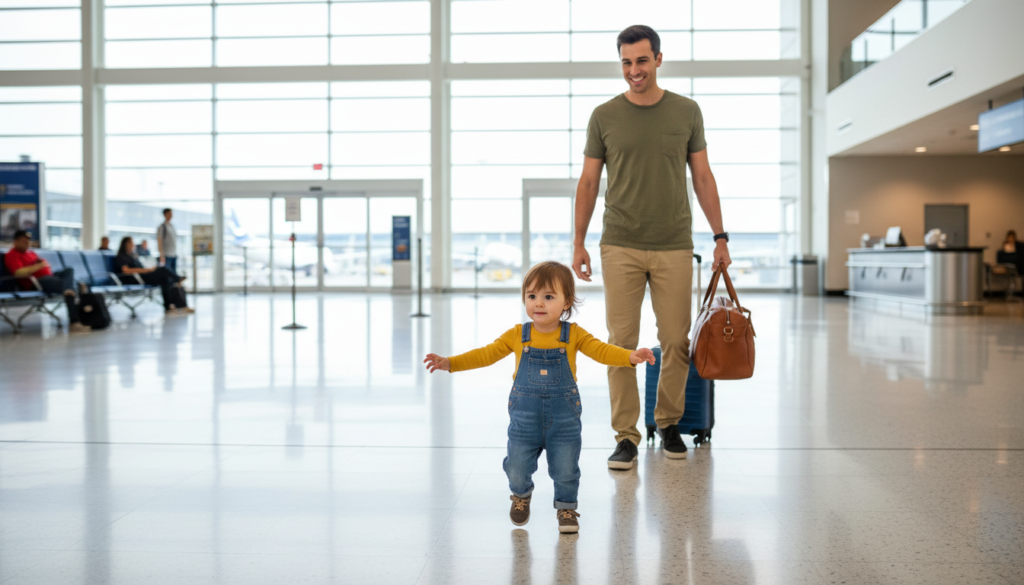
Boarding early often leads to frustration. Toddlers struggle when they sit still for too long. Let your child walk, stretch, and explore the terminal before boarding. Boarding later reduces stress during the first hour.
Get the Bassinet Seats if They Provide More Room
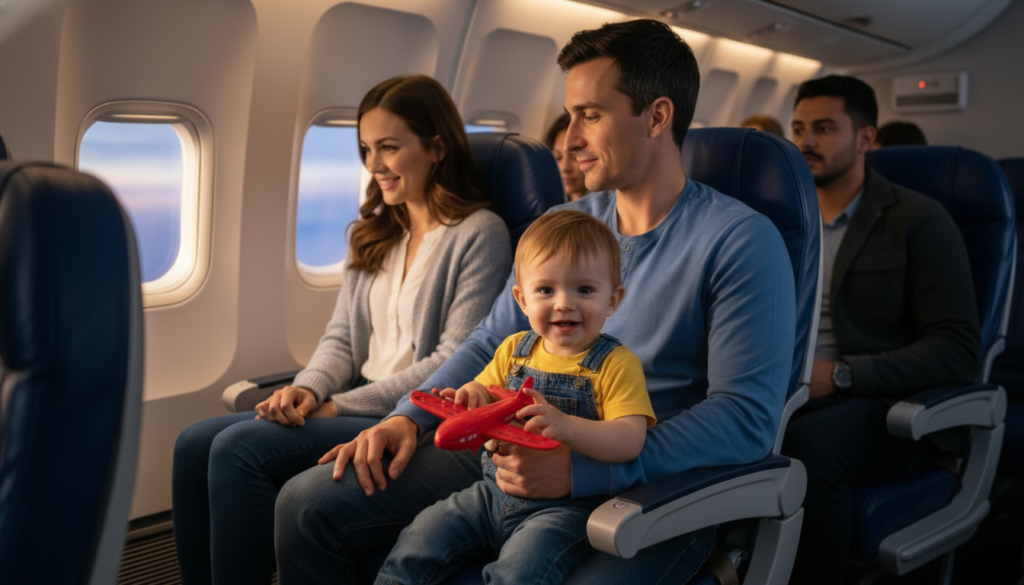
Bulkhead or bassinet seats usually offer more legroom. Extra space allows toddlers to stretch, stand, and play. Even if your toddler is too big for the bassinet, the space still helps.
Pack Light and Use One Cabin Bag for the Family
Too many bags increase stress. One shared cabin bag keeps things simple and organized.
Even when packing light, some items must stay within easy reach. Keep diapers or pull-ups, wipes, snacks, a full change of clothes, and one comfort item in your carry-on. Add hand sanitizer, tissues, and any medicine your toddler may need. Easy access prevents unnecessary stress during the flight.
Pack a Travel Potty
If your toddler is potty trained or learning, a travel potty helps. Airplane bathrooms are small and may be unavailable during turbulence. A travel potty adds peace of mind on long flights.
Snacks Matter More Than You Think
Snacks are not just food. They help with comfort, boredom, and emotional regulation. Bring familiar snacks and a few special treats. Avoid too much sugar early in the flight.
Choose the Best Toys for a Plane
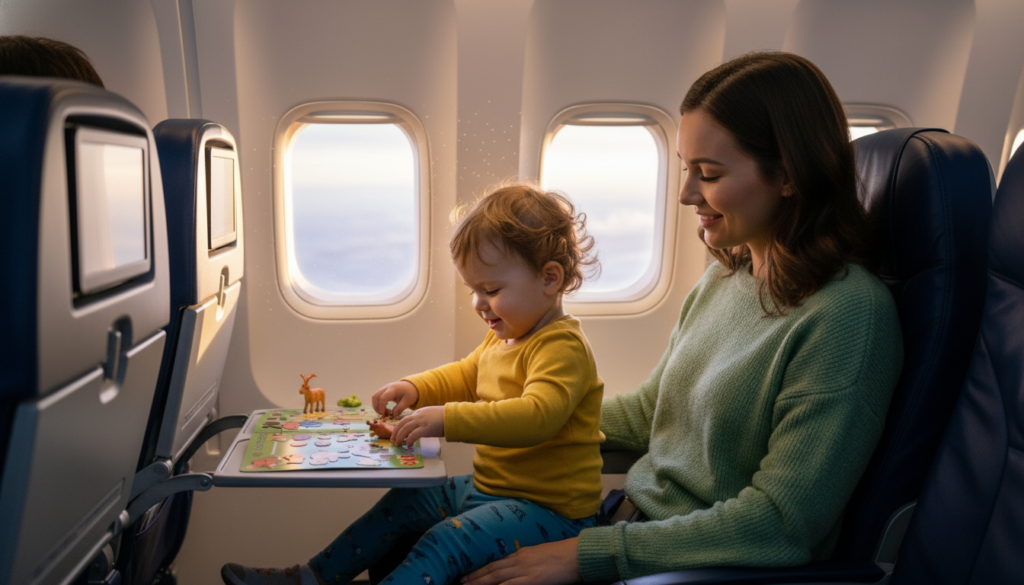
Bring small toys that are new or rarely used. Sticker books, busy boards, water-based coloring books, and small figures work well. Avoid toys with many loose parts.
Screen Time Is Okay
Long-haul flights are not the time to limit screens. Download shows and games in advance. Bring child-friendly headphones. Screens help during long quiet periods.
Let Them Walk the Aisle
When the seatbelt sign is off, allow short aisle walks. Movement helps release energy and improve mood.
Toddler meltdowns can still happen. Stay calm and focus on basic needs first. Hunger, tiredness, or discomfort are common triggers. A snack, movement, or quiet activity often helps reset emotions.
Be Kind to the Cabin Crew
Cabin crew can make flights easier. Politeness and patience go a long way.
Connect With Other Parents
Seeing other families nearby can be comforting. Shared understanding reduces stress.
Take Breaks Between Parents
If traveling with another adult, take turns. Short breaks help maintain patience.
Nap When Your Toddler Naps
Rest whenever your toddler sleeps. Long flights are tiring, and rest helps you cope better.
12 Tips for Making Long-Haul Flights Easier With Kids
1. Pick Your Seats in Advance
Picking seats early makes a big difference. Window seats support sleep, while aisle seats allow easier movement and bathroom access.
2. Consider a Separate Seat for Your Toddler
For long-haul flights, safety matters. Aviation safety authorities recommend toddlers travel in their own seat when possible, secured with an approved restraint.
3. Rotate Activities to Prevent Boredom
Switch activities throughout the flight to keep your toddler engaged and avoid restlessness.
4. Use Simple, Mess-Free Toys
Restickable stickers, doodle boards, and water-based books work well in small spaces.
5. Adjust Activities Based on Age
Younger toddlers need more movement and comfort, while older toddlers need choices and longer activities.
6. Use Screen Time Strategically
Save screen time for difficult moments when other activities stop working.
7. Consider Extra Space if Possible
Some families use miles to book business class. Extra space can improve sleep and comfort.
8. Choose the Right Flight Timing
Overnight flights may help toddlers sleep, while daytime flights allow more movement.
9. Plan for Jet Lag in Advance
Jet lag can last a few days. Use daylight exposure and local routines to help adjustment.
10. Help With Ear Pressure During Takeoff and Landing
Offer drinks, snacks, or a pacifier to encourage swallowing and reduce discomfort.
11. Keep Expectations Flexible
Not every plan will work. Adjust as needed based on your toddler’s mood.
12. Avoid Relying on Inflatable Beds
Flyaway beds are not always allowed. It’s safer to plan without them.
Final Thoughts
After many long-haul flights with toddlers, one truth stands out: flexibility matters more than perfection. Some flights will feel smooth, others exhausting, and both are normal. Focus on food, rest, movement, and comfort rather than control. From experience, the calmest journeys come from parents who adapt and give themselves grace. Long-haul flights with toddlers are challenging, but with preparation and the right mindset, they are completely manageable.
